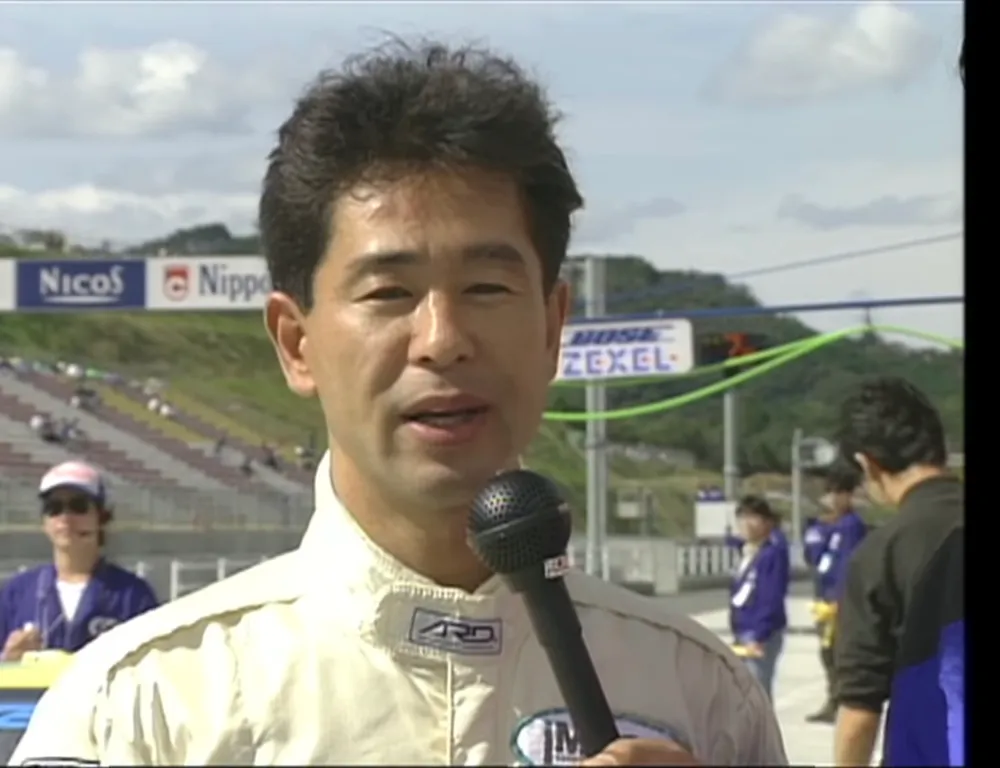
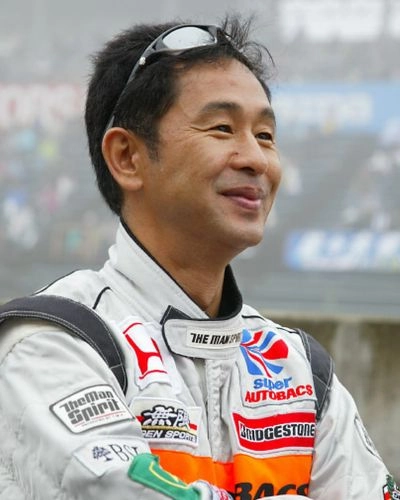
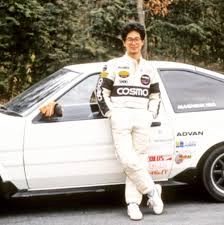
Drift legend

Keiichi Tsuchiya

“Drift King (DK)”

Profile

Personal Information

Name
Keiichi Tsuchiya
Nickname
Drift King (DK)
Nationality
Japanese
Birth Date
January 30, 1956

The legendary 'Drift King' who dominated Usui Pass and changed the world of motorsport. Six consecutive championships at Fuji, JTCC 1985 champion, two-time class winner at Le Mans (1995, 1999) with the first 100% Japanese team in history. Co-founder of the D1 Grand Prix and the technical soul of Initial D. The living legend who turned illegal street drifting into a global sport.


Story

Biography

Usui Pass: The Origin of a Legend (1956-1977)

Keiichi Tsuchiya was born on January 30, 1956 in Tōmi, Nagano, Japan. At 16, inspired by Kunimitsu Takahashi sliding a Hakosuka GT-R in races, he began mastering Usui Pass - the touge where he forged his legend. Unlike drivers from wealthy families, Tsuchiya learned on the streets, instinctively developing drift on the treacherous mountain roads of his region.

AE86 & 'Drift King': The Explosion (1977-1990)

• 1977: Professional debut at Fuji Freshman (Nissan Sunny → Toyota Starlet → AE86)
• 1984: 6 consecutive wins at Fuji Freshman with AE86
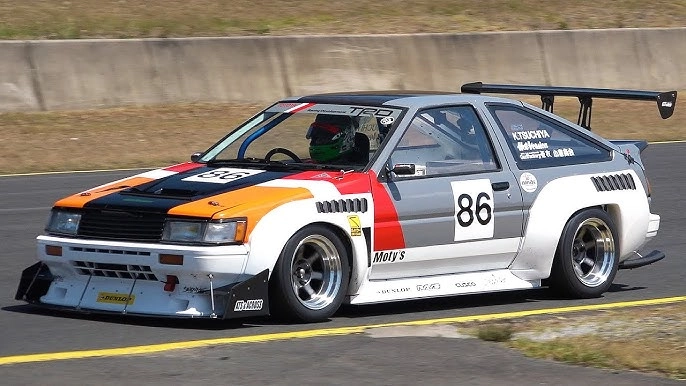
• 1985: JTCC Class 3 Champion (Toyota Corolla Levin AE86)
• 1987: 'Pluspy' Video - Documented illegal racing at Usui Pass. Underground phenomenon that catapulted him to worldwide fame. Cost him temporary suspension but made him a cultural icon
• "Drift King": Named by Car Boy magazine seeing him slide the AE86 with surgical precision

World Elite: JGTC, Le Mans & NASCAR (1992-2004)

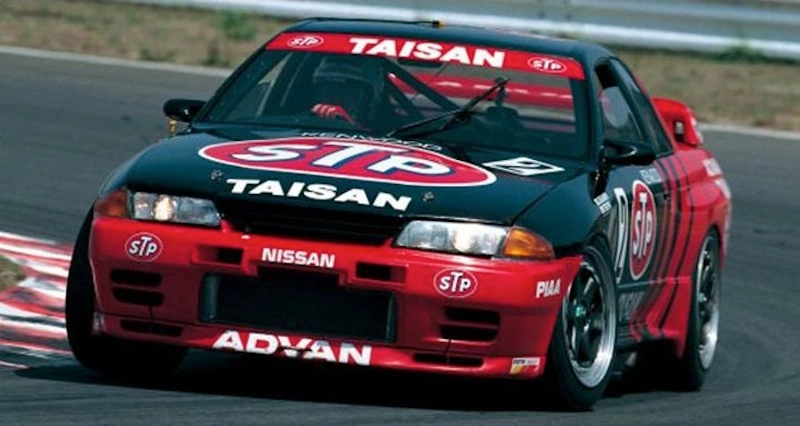
Team Taisan (1992-1993): Teammate with his hero Kunimitsu Takahashi driving R32 GT-R
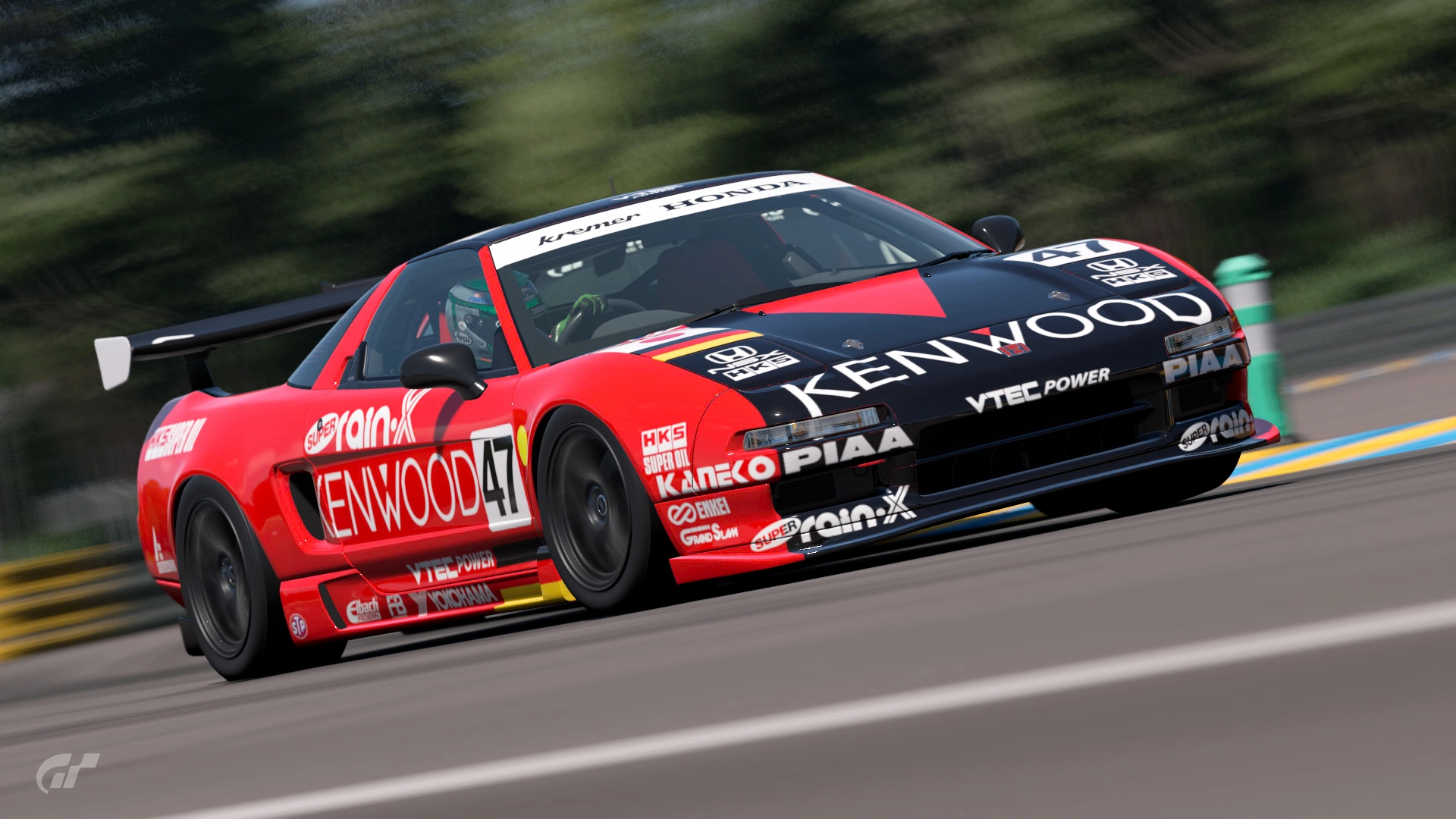
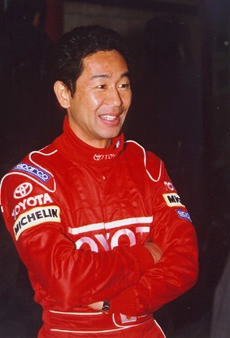
Team Kunimitsu (1994-1995): Le Mans 1995 GT2 victory with NSX - First 100% Japanese team to achieve it (8th overall)
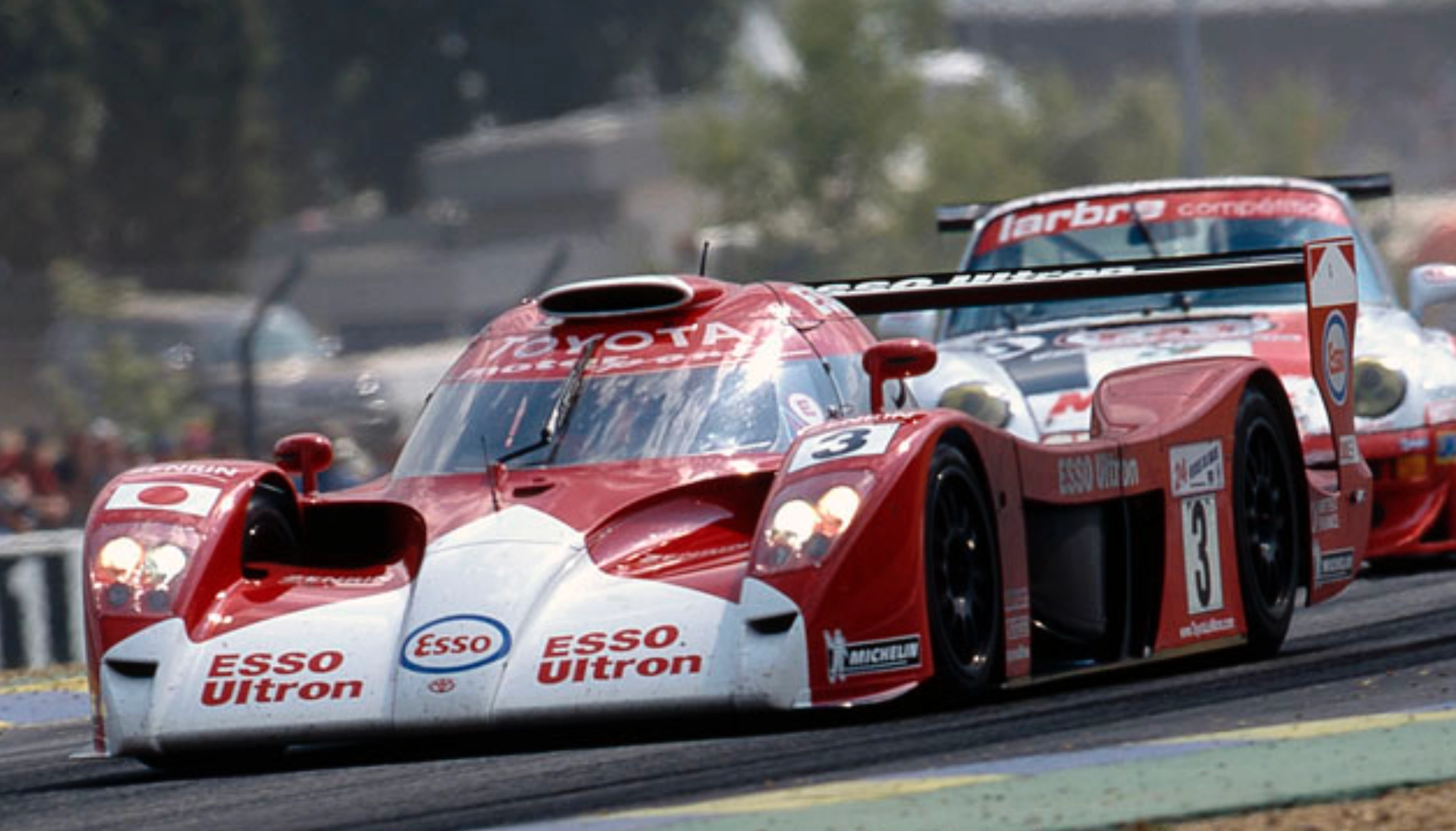
Le Mans 1998: 9th overall with Toyota GT-One
Le Mans 1999: LMGTP class victory + dramatic 2nd overall (final lap puncture) + fastest lap
DENSO SARD Supra (1998-1999): GT500 JGTC
ARTA NSX (2000-2003): JGTC 2001 runner-up - His most iconic era
NASCAR (1996-1999): Suzuka Thunder 100 & Twin Ring Motegi

Cultural Legacy & Retirement (1995-Present)

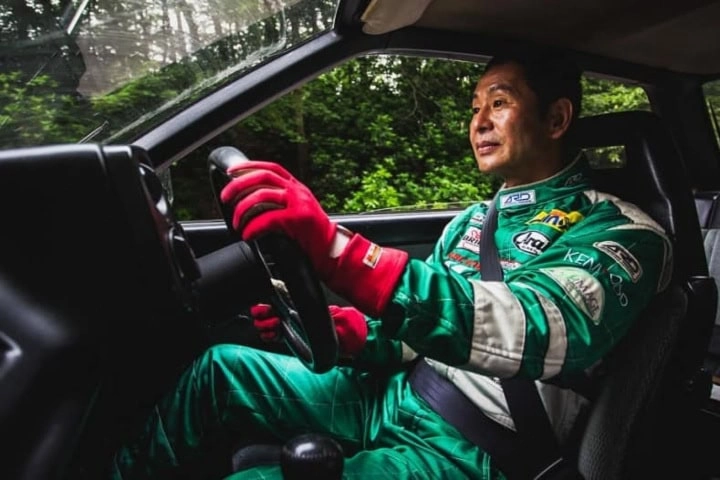
• Initial D (1995-Extra Stage 2): Technical consultant - Personally recorded AE86 sounds. Cameo episode 23 First Stage (calls Bunta in jade green suit). Cameo Final Stage (talks to Takumi at D1GP)
• D1 Grand Prix (2000): Co-founder - Transformed drift from illegal to professional sport
• Tokyo Drift (2006): Cameo + stunt coordinator
• King of Asia ProSeries (2014): Co-founder with King of Europe Drift
• Best Motoring & Hot Version: Main presenter
• Fuji TV F1 (1995+): Occasional guest commentator

Retirement 2004: Tsukuba record 0:51.875 in his final race. ARTA Team Director until 2005
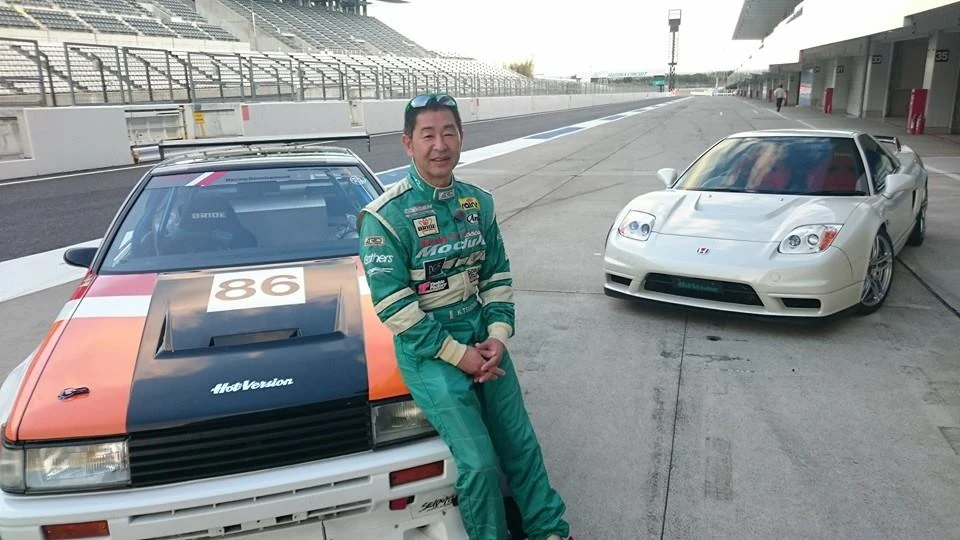
Today (69 years): Drift ambassador. Preserves his 2 AE86s with +500,000 km each - "They're part of my soul"

His philosophy: Smooth, controlled, precise drift - never aggressive. The technique that revolutionized sports driving.

Personality

Charismatic and humble despite his legendary status. A perfectionist who never stops learning, always willing to share knowledge with younger drivers. His philosophy is based on respect for the car and the road, just like Takumi in Initial D.

Philosophy

“Drifting is an art that requires a deep connection between driver and machine. True drift must be smooth, controlled and precise, never aggressive. This 'smooth drift' philosophy is exactly what we see in Takumi Fujiwara in Initial D.”


Traits

Outstanding Achievements

Specialties

  • Master of smooth, technical drifting
  • Legend of Usui Pass and the Gunma touge
  • Initial D technical consultant (1995-Extra Stage 2)
  • Initial D technical consultant for 19 years (1995-2014)
  • Named 'Drift King' by Car Boy magazine - the title that defined an era
  • 6 consecutive Fuji Race series championships with his AE86 (1980s)
  • JTCC Class 3 winner (1985) driving a Toyota Corolla Levin
  • Formula Mirage winner (1990) in the category's debut year
  • GT2 class win at the 1995 24 Hours of Le Mans (8th overall) - the first 100% Japanese team, with Kunimitsu Takahashi and Akira Iida in a Honda NSX
  • LMGTP class win at the 1999 24 Hours of Le Mans - a dramatic 2nd overall with the Toyota GT-One after a puncture in the closing laps
  • 9th overall at the 1998 24 Hours of Le Mans with the Toyota GT-One
  • 7 Le Mans appearances (1995, 1996, 1998, 1999, 2000, 2001, 2003)
  • All Japan GT Championship runner-up (2001)
  • 2nd place at the Suzuka 1000km (1994)
  • Teammate to Kunimitsu Takahashi at Team Taisan (1992-1993) and Team Kunimitsu (1994 onwards)
  • Co-founder and judge of the D1 Grand Prix (2000) - he legitimized drifting as a professional sport
  • Creator of the 'Pluspy' video (1987) - an underground drift phenomenon
  • A track record in his final race (0:51.875) before retiring in 2004
  • ARTA JGTC team director (2005) for the GT500 and GT300 classes
  • Formula 1 commentator on Fuji TV (1995-present, occasional guest)
  • Cameo in Initial D First Stage episode 23
  • Cameo and stunt coordinator on Fast & Furious: Tokyo Drift (2006)
  • He recorded the AE86 engine sounds for the Initial D series
  • He popularized modern drifting worldwide - turning it from an illegal technique into a cultural phenomenon
  • He popularized the AE86 as the iconic drift car

Archive

Personal gallery

18


Garage

Legendary Cars

5

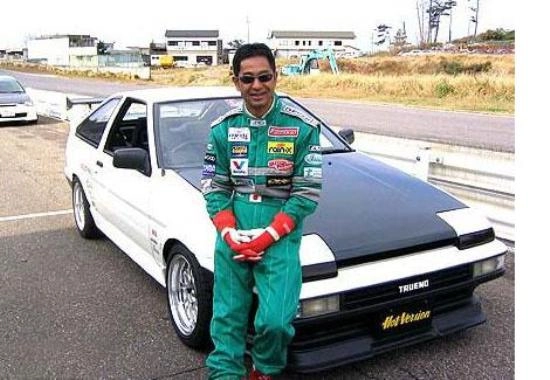
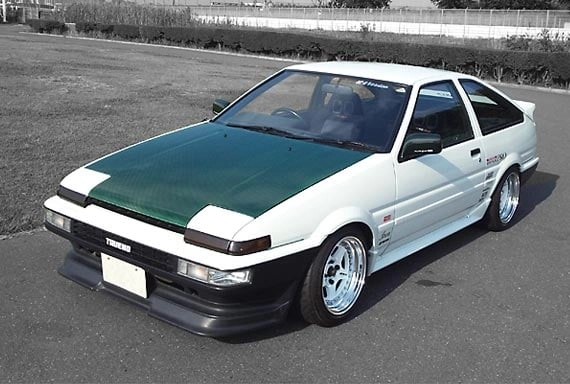
Toyota Sprinter Trueno GT-APEX — Keiichi Tsuchiya

Toyota Sprinter Trueno GT-APEX

AE86

“The street Hachi-Roku he will never sell”

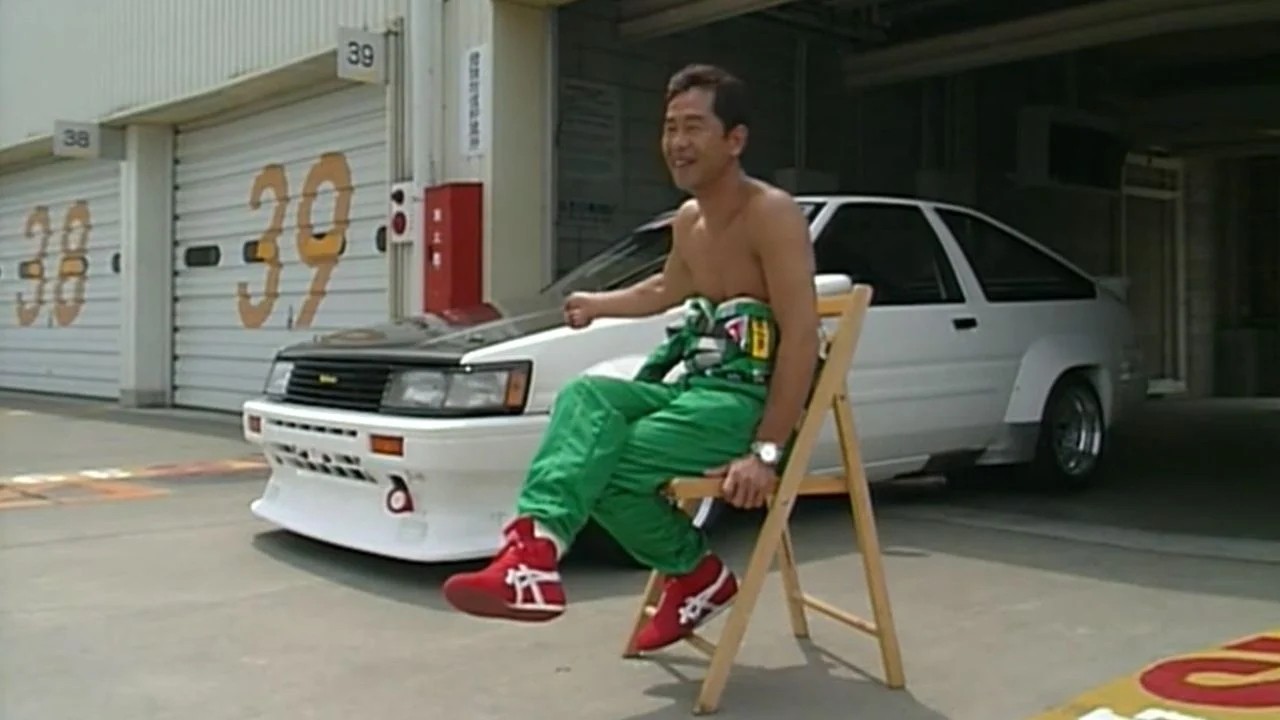
His personal street-registered AE86. He drives it regularly and swears he will never sell it

Specifications

Chassis
AE86
Engine
4A-GEU
Power
130 hp
Drive
Rear-wheel drive
Transmission
5-speed manual
Color
White with black
Year
1983-1987

Modifications

  • Professional TRD preparation
  • Meticulous weekly maintenance
  • Over 500,000 km and still running perfectly
  • The soul of Initial D in the form of a real car
Toyota Corolla Levin GT-APEX — Keiichi Tsuchiya

Toyota Corolla Levin GT-APEX

AE86

“The N2 race-spec Levin he will never sell”

His N2-specification racing AE86. Kept at Koshimizu Motorsports near Tsukuba

Specifications

Chassis
AE86
Engine
4A-GEU
Power
130 hp (N2 specification)
Drive
Rear-wheel drive
Transmission
5-speed manual
Color
White
Year
1983-1987

Modifications

  • Full N2 race preparation
  • Professional maintenance
  • The racing twin of the street Trueno
  • It represents the technical evolution of the AE86
Honda NSX — Keiichi Tsuchiya

Honda NSX

NA1

“Le Mans 1995 with Kunimitsu Takahashi”

GT2 class winner at Le Mans 1995 - the first 100% Japanese team to achieve it

Specifications

Chassis
NA1
Engine
C30A
Power
280 hp
Drive
Rear-wheel drive (converted from AWD)
Transmission
6-speed manual
Color
Championship White
Year
1995

Modifications

  • Full race preparation
  • Driven alongside Kunimitsu Takahashi and Akira Iida
Nissan Skyline GT-R — Keiichi Tsuchiya

Nissan Skyline GT-R

R32

“Team Taisan with Kunimitsu Takahashi”

Teammate to Kunimitsu Takahashi at Team Taisan in the JGTC

Specifications

Chassis
R32
Engine
RB26DETT
Power
280+ hp
Drive
All-wheel drive (4WD)
Transmission
5-speed manual
Color
White
Year
1992-1993

Modifications

  • Full JGTC race preparation
  • A dream come true: racing alongside his hero Takahashi
Toyota GT-One (TS020) — Keiichi Tsuchiya

Toyota GT-One (TS020)

TS020

“The Le Mans monster that almost won it all”

Le Mans 1998 (9th overall), Le Mans 1999 (LMGTP class win, dramatic 2nd overall after a puncture)

Specifications

Chassis
TS020
Engine
R36V 3.6L V8 Twin-Turbo
Power
600+ hp
Drive
Rear-wheel drive
Transmission
6-speed sequential
Color
Red and white (Esso Ultraflo)
Year
1998-1999

Modifications

  • A revolutionary LMP1 prototype with a road-car body
  • The car that nearly gave Toyota its first outright Le Mans victory
  • 1999: Comfortably in the lead until a puncture in the closing laps
  • Considered one of the fastest prototypes in Le Mans history

Canon

Relationship with Initial D

Official technical consultant on Initial D for 19 years (1995-2014), guaranteeing absolute realism in the physics, engine sounds and driving manoeuvres. He personally recorded the AE86 engine sounds for the series. He has a cameo in Initial D First Stage episode 23, where he calls Bunta Fujiwara wearing his trademark jade green racing suit. He also appeared in Fast & Furious: Tokyo Drift (2006) as a fisherman who ironically asks 'You call that drifting?', on top of working as the stunt coordinator.

Influence

The Drift King who turned drifting from an illegal technique into a global phenomenon. He popularized the AE86 and touge drifting techniques, inspiring generations of drivers all over the world.

Legacy

He turned drifting from an illegal technique into a legitimate sport. The AE86 is iconic largely because Tsuchiya popularized it worldwide. Co-founder of the D1 Grand Prix, the first professional drift competition. His 'smooth drift' philosophy remains the benchmark of technical excellence.


Trivia

Curiosities

12

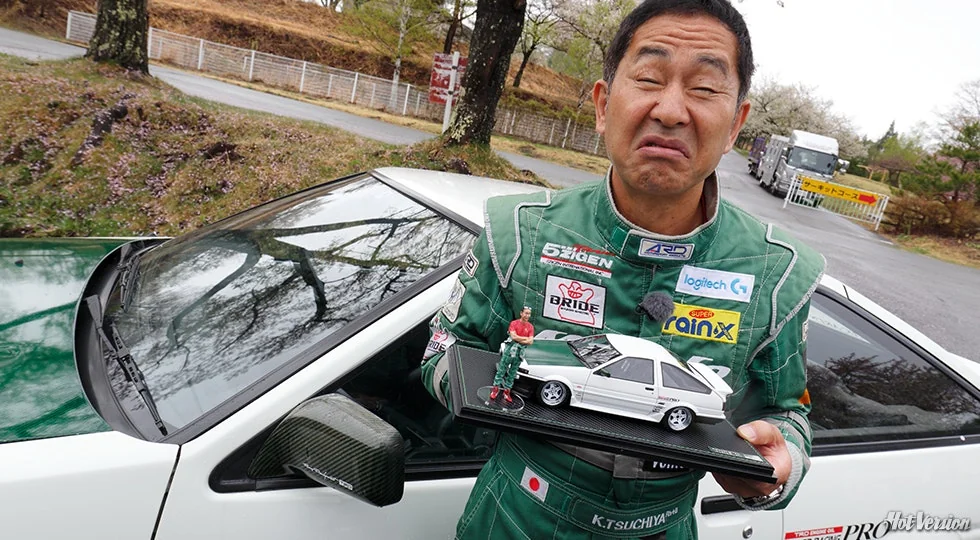
  1. 01 He owns 2 AE86s (a Levin and a Trueno) with over 500,000 km each that he swears he will never sell
  2. 02 As a teenager he watched Kunimitsu Takahashi race and was inspired to become a driver
  3. 03 Years later he raced alongside his hero Takahashi at Team Taisan (1992-1993)
  4. 04 Together they won the GT2 class at Le Mans 1995 with the Honda NSX - the first 100% Japanese team
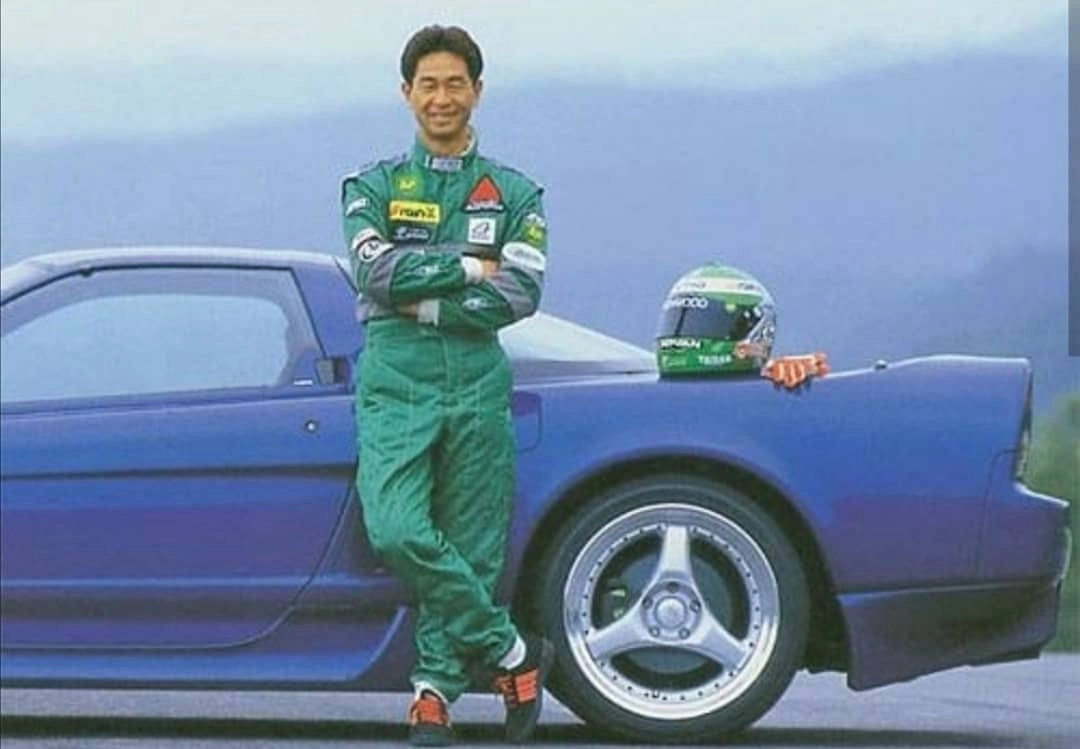
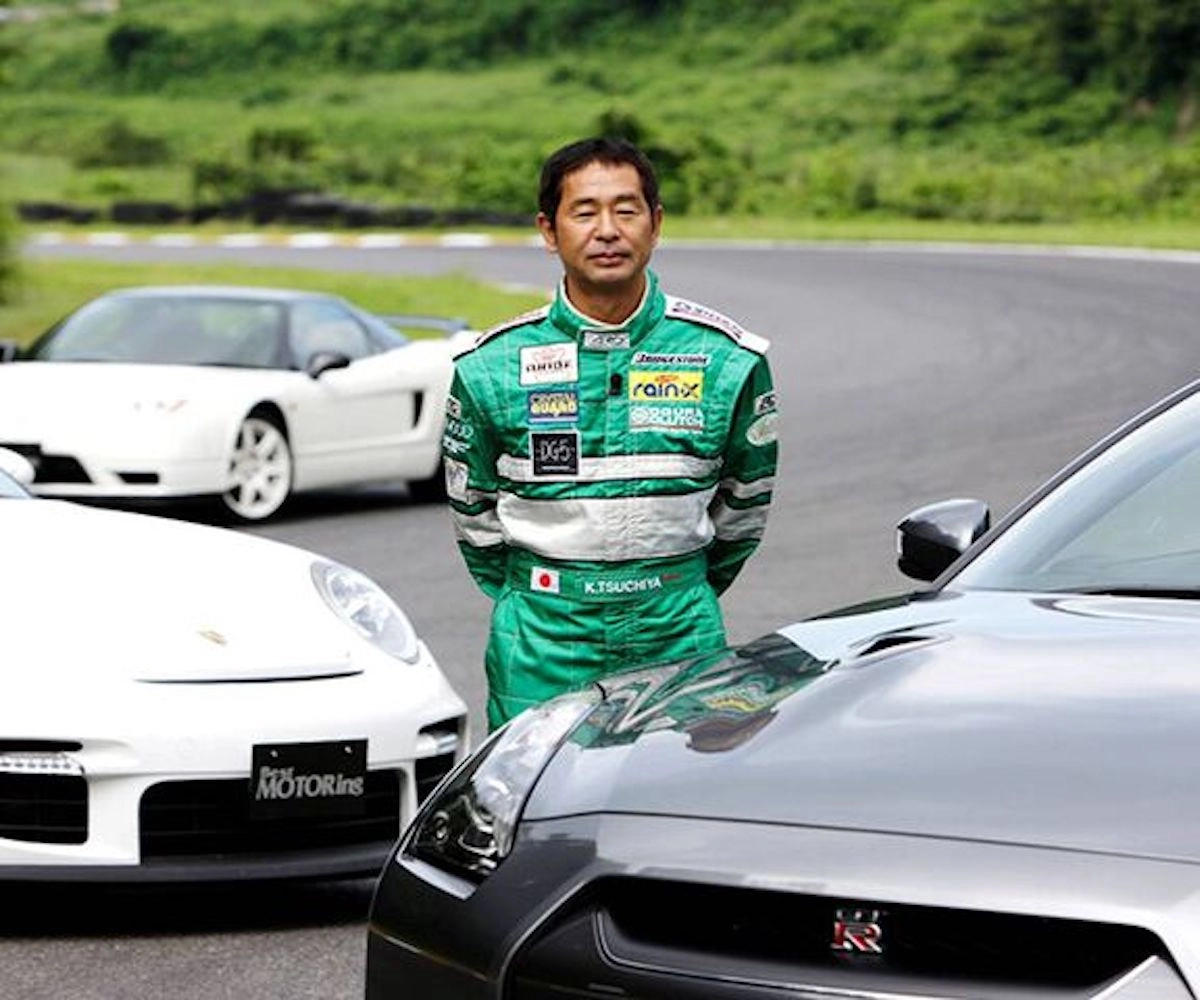
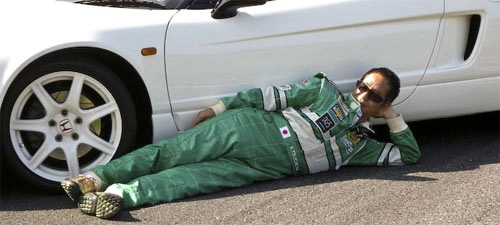
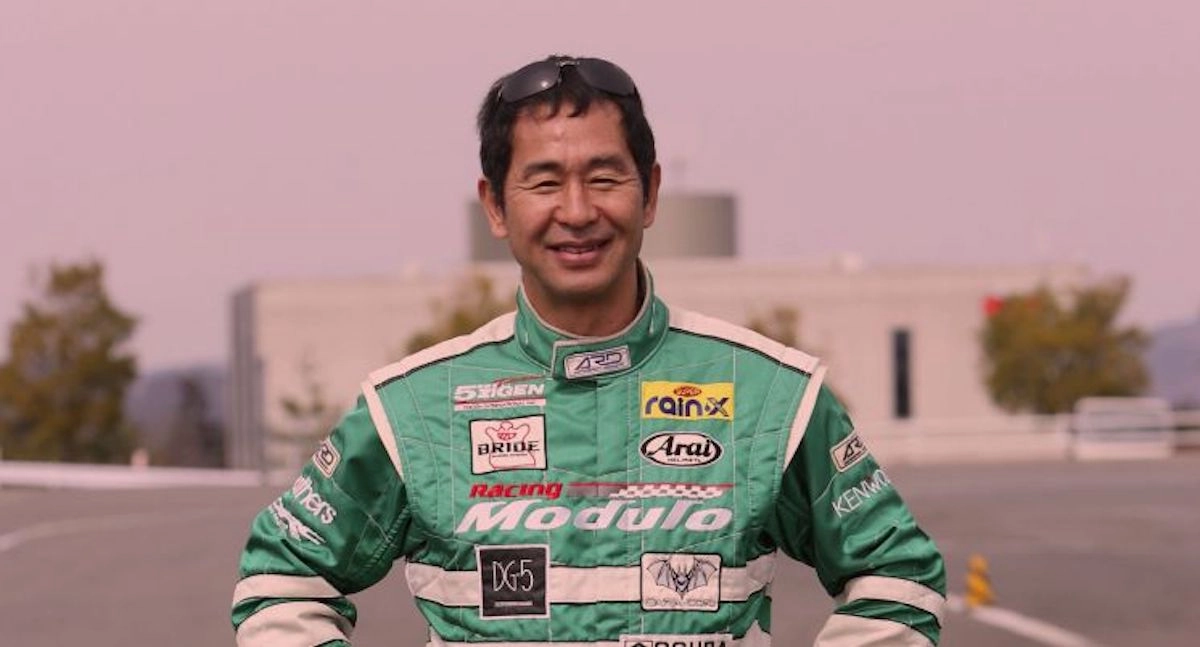
  5. 05 Cameo in Initial D episode 23: he calls Bunta wearing his jade green suit (his signature color)
  6. 06 Cameo in Fast & Furious Tokyo Drift: the fisherman who says 'You call that drifting?'
  7. 07 Initial D technical consultant for 19 years (1995-2014) - he ensured maximum realism
  8. 08 He personally recorded the AE86 engine sounds for Initial D
  9. 09 The 'Pluspy' video (1987) documented illegal touge racing and made him famous
  10. 10 His signature color is jade green (seen in his Initial D cameo)
  11. 11 He learned to perfect his drifting on Usui Pass during the 1970s
  12. 12 The Pluspy video earned him a temporary suspension but catapulted him to fame