
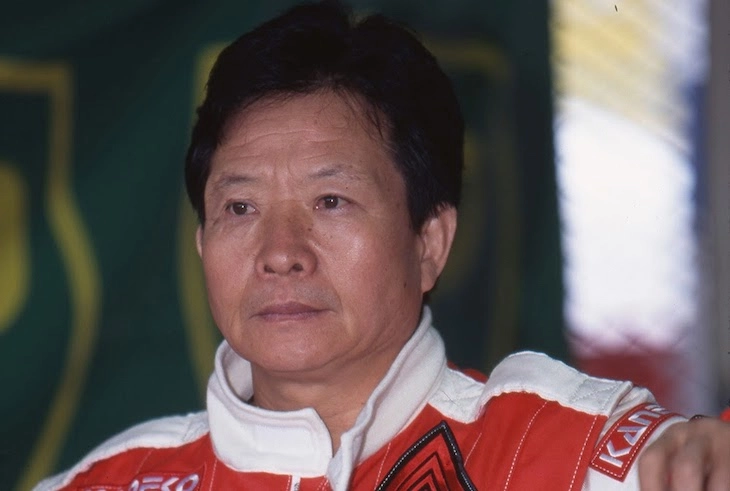
Kunimitsu Takahashi
El inmortal 'Padre del Drift' que revolucionó el automovilismo mundial. Primer japonés en ganar un GP de motociclismo (1961), pionero en F1 (1977), cuatro veces campeón All-Japan. Creó el drift con su Hakosuka GT-R porque 'era más divertido y espectacular'. Inspiró a Keiichi Tsuchiya, y décadas después ganaron juntos Le Mans 1995 GT2 como primer equipo 100% japonés. Leyenda absoluta cuyo legado vive eternamente. (Translation in development)
Personal Information
Biography
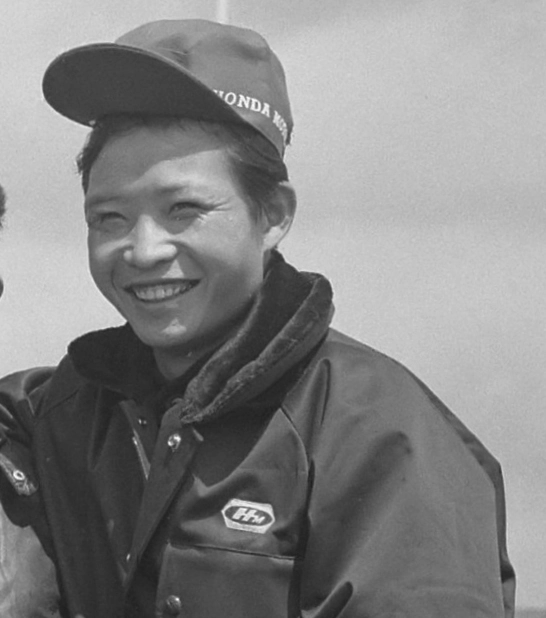
Kunimitsu Takahashi was born on January 29, 1940 in Tokyo, Japan. From his teenage years, he demonstrated supernatural talent in motorcycle racing.
• 1961, Hockenheim (Germany): At just 21 years old, he became the FIRST JAPANESE TO WIN A MOTORCYCLE GRAND PRIX. A historic moment that put Japan on the world motorsport map.
• 1962, Isle of Man TT: He suffered a serious accident that would change his destiny. He decided to switch to four wheels, unaware he would revolutionize world motorsport.
⚡ The Birth of Drift: Hakosuka GT-R & Legend (1970-1977)
When switching to cars, Takahashi didn't drive like the others. While others braked in corners, he SLID his legendary Hakosuka Skyline GT-R sideways. His reason? "It was more fun and spectacular". Thus, without intending it, HE CREATED DRIFT.
• 1970s: His exhibitions with the Hakosuka GT-R left audiences paralyzed. The smoke, the absolute control, the aggression. It was pure art in motion.
• Young Keiichi Tsuchiya (just a teenager) saw him compete live: "That man driving that Skyline changed my life. In that moment I knew what I wanted to be".
• 1977, Japanese Grand Prix (F1): He participated in his only Formula 1 race, finishing 9th. For years he was the only Japanese driver in F1, opening doors for future generations.
• 4x All-Japan Sports Prototype Champion: He dominated the Japanese Sport Prototype category with authority.
⚡ The Master and His Disciple: A Dream Come True (1992-1995)
Decades after inspiring young Keiichi, fate united them as teammates. The circle closed perfectly.
• 1992-1993, Team Taisan (JGTC): Takahashi (52 years old) and Tsuchiya (36 years old) shared a team driving the Nissan R32 GT-R. The mentor and his protégé, together at last. "It was a dream for both of us", Keiichi would confess years later.
• 1994: Takahashi founded Team Kunimitsu, his own team that would become a powerhouse in Japanese motorsport.
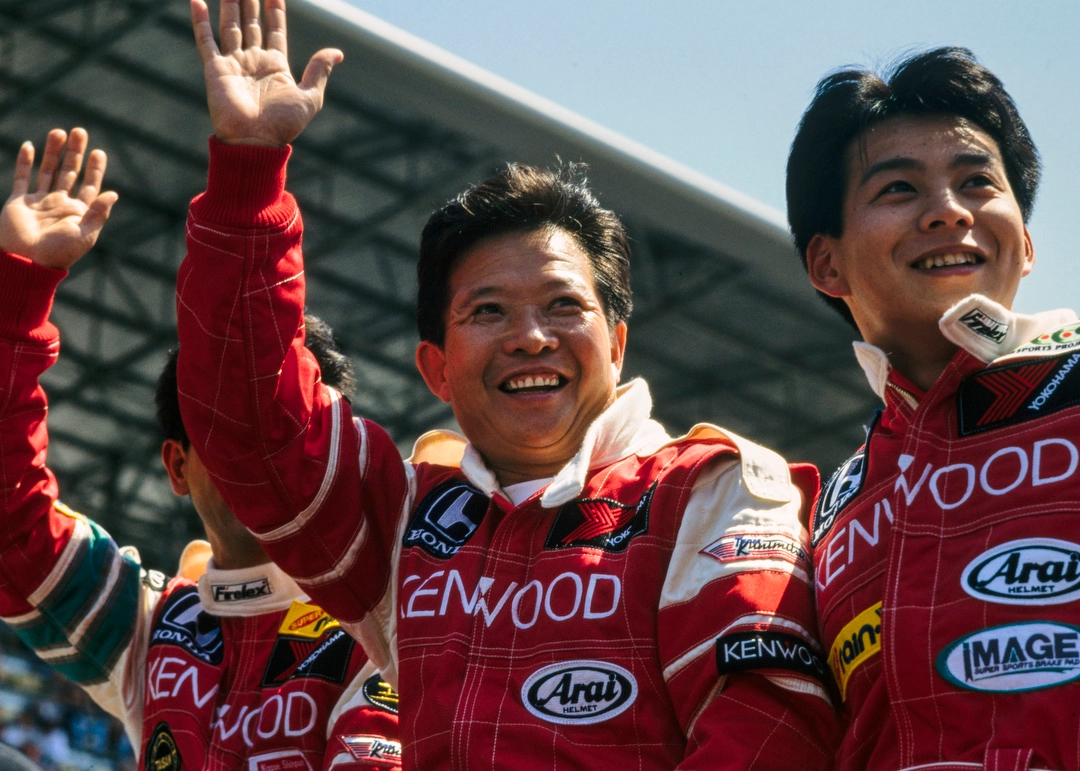
• 1995, 24 Hours of Le Mans: Total redemption. Takahashi and Tsuchiya drove together in the Honda NSX, WINNING THE GT2 CLASS (8th overall). They became the FIRST 100% JAPANESE TEAM TO WIN AT LE MANS. The 55-year-old master and his 39-year-old disciple wrote history together.
⚡ The Immortal Legacy (2000-2022)
• 2000: He retired from active racing, but his work was far from over. He continued as a mentor to young drivers at Team Kunimitsu.
• 2018 & 2020: His team, Team Kunimitsu, won Japanese championships. The legacy lived on.
• March 16, 2022: He passed away at 82 after battling lymphoma. The world motorsport community mourned the loss of the "Father of Drift".
His legacy is eternal: He created drift, inspired entire generations (especially Keiichi Tsuchiya), proved that style and emotion matter as much as speed, and showed that a driver can transcend their own era. Kunimitsu Takahashi is not just a legend. He is the origin of everything that came after.
Personality
Samurai values: honor, discipline, perfection and respect. Humble despite his achievements. Generous mentor who inspired an entire generation, especially Keiichi Tsuchiya.
Philosophy
"He believed sliding the car was more fun and spectacular than simply braking. 'Driving must have style and emotion, not just speed'. This philosophy created drift."
Personal Gallery
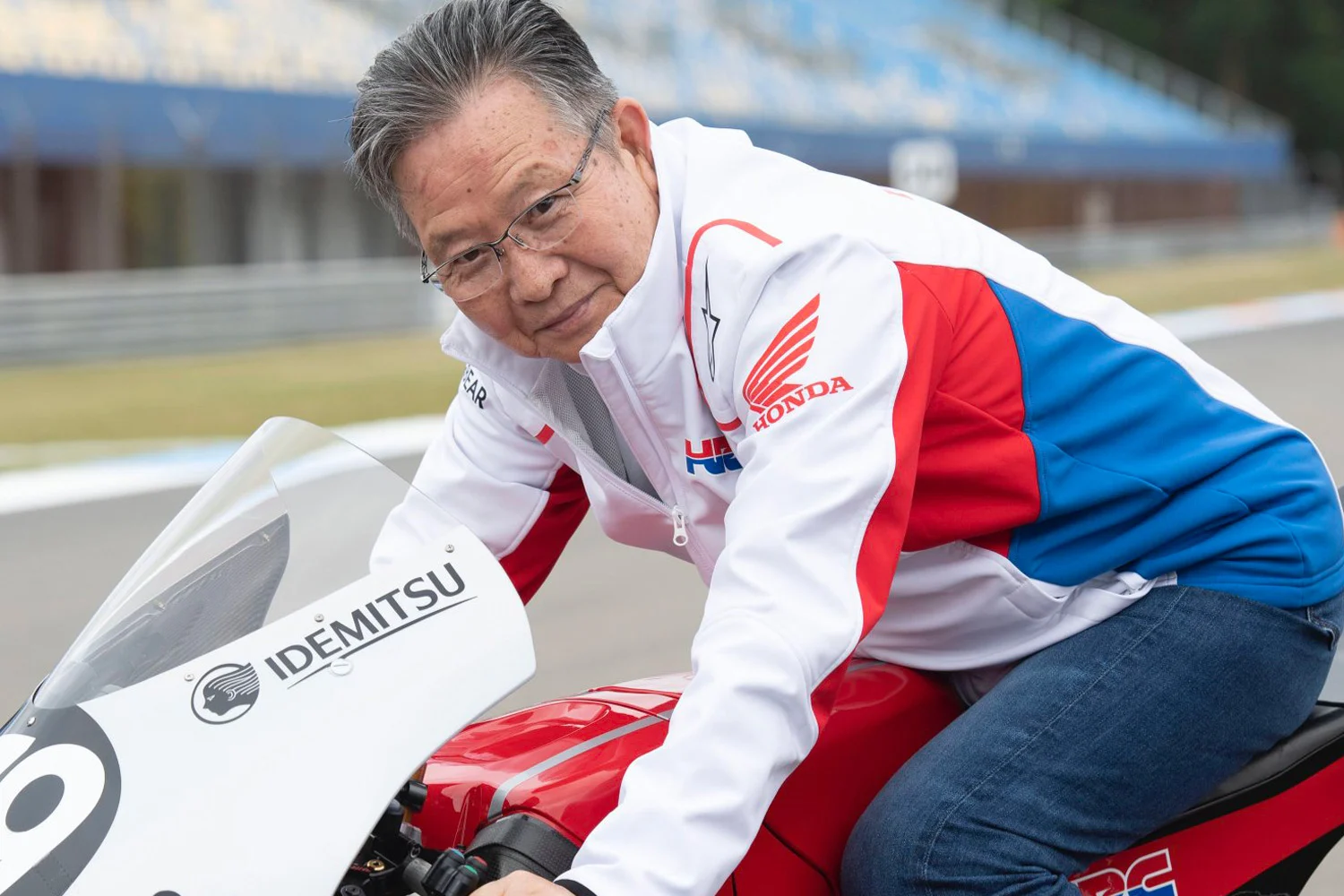
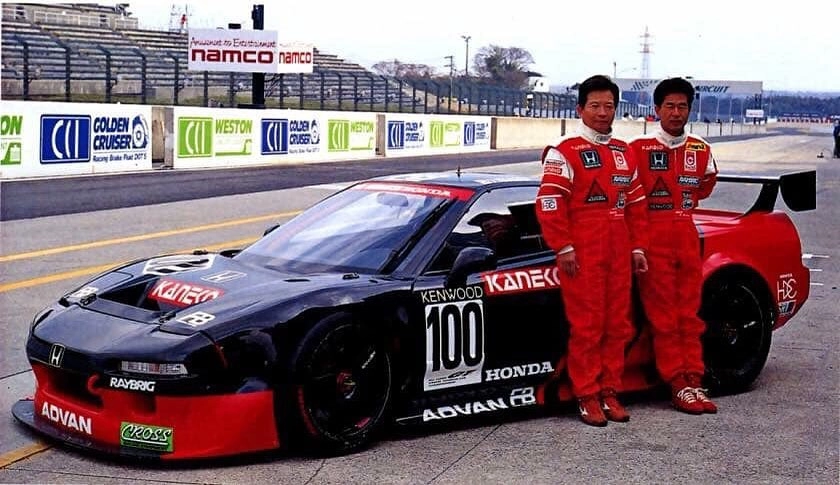
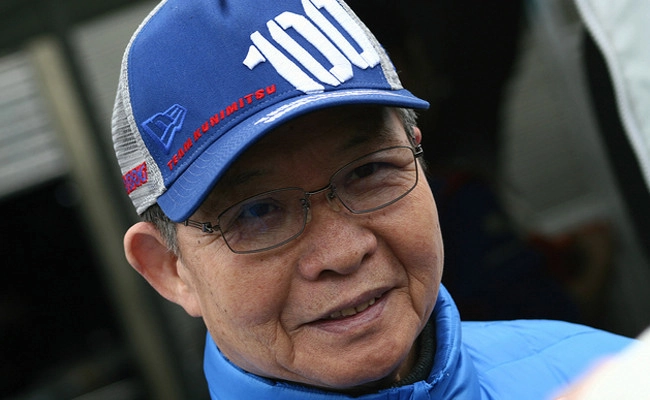
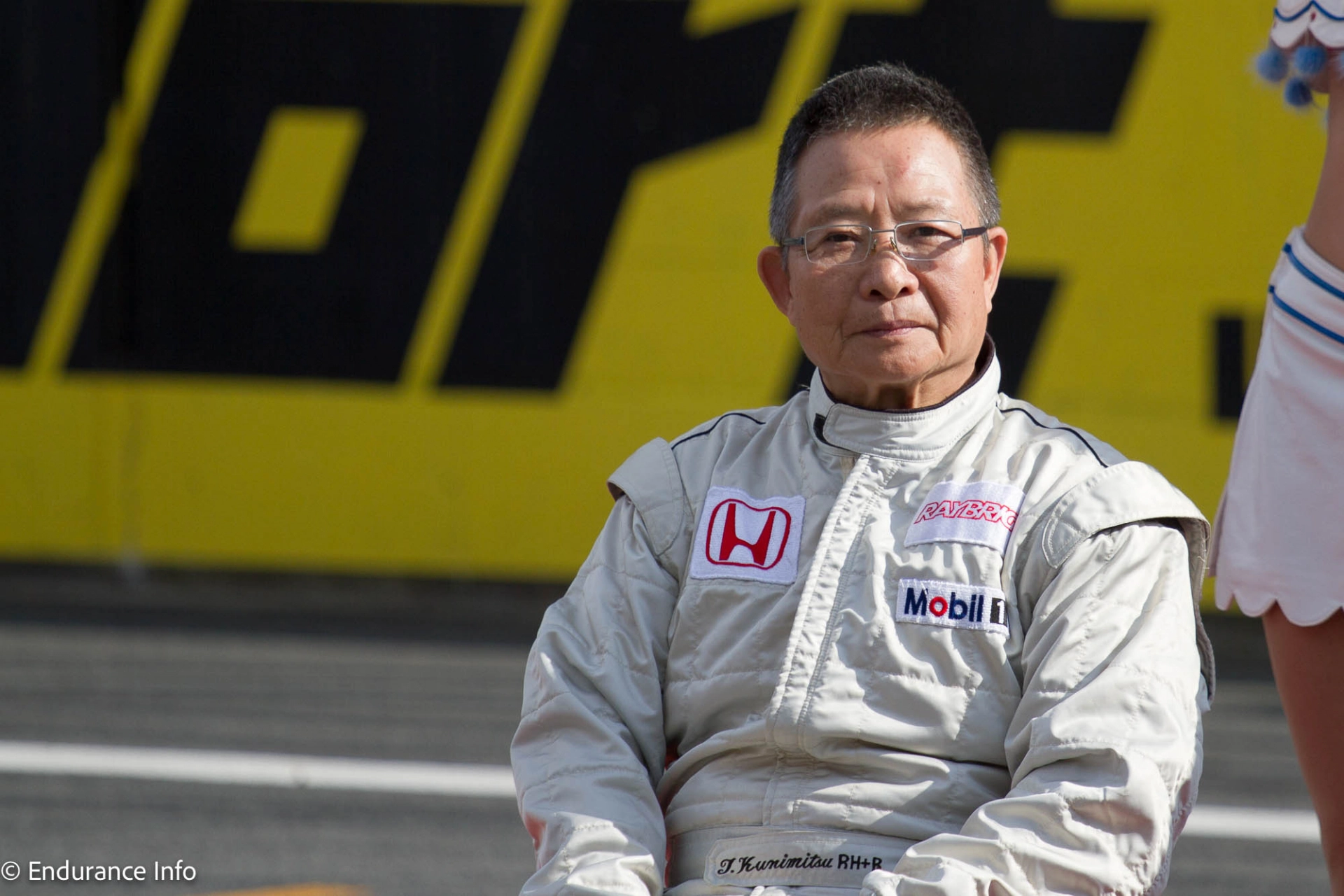
Legendary Cars
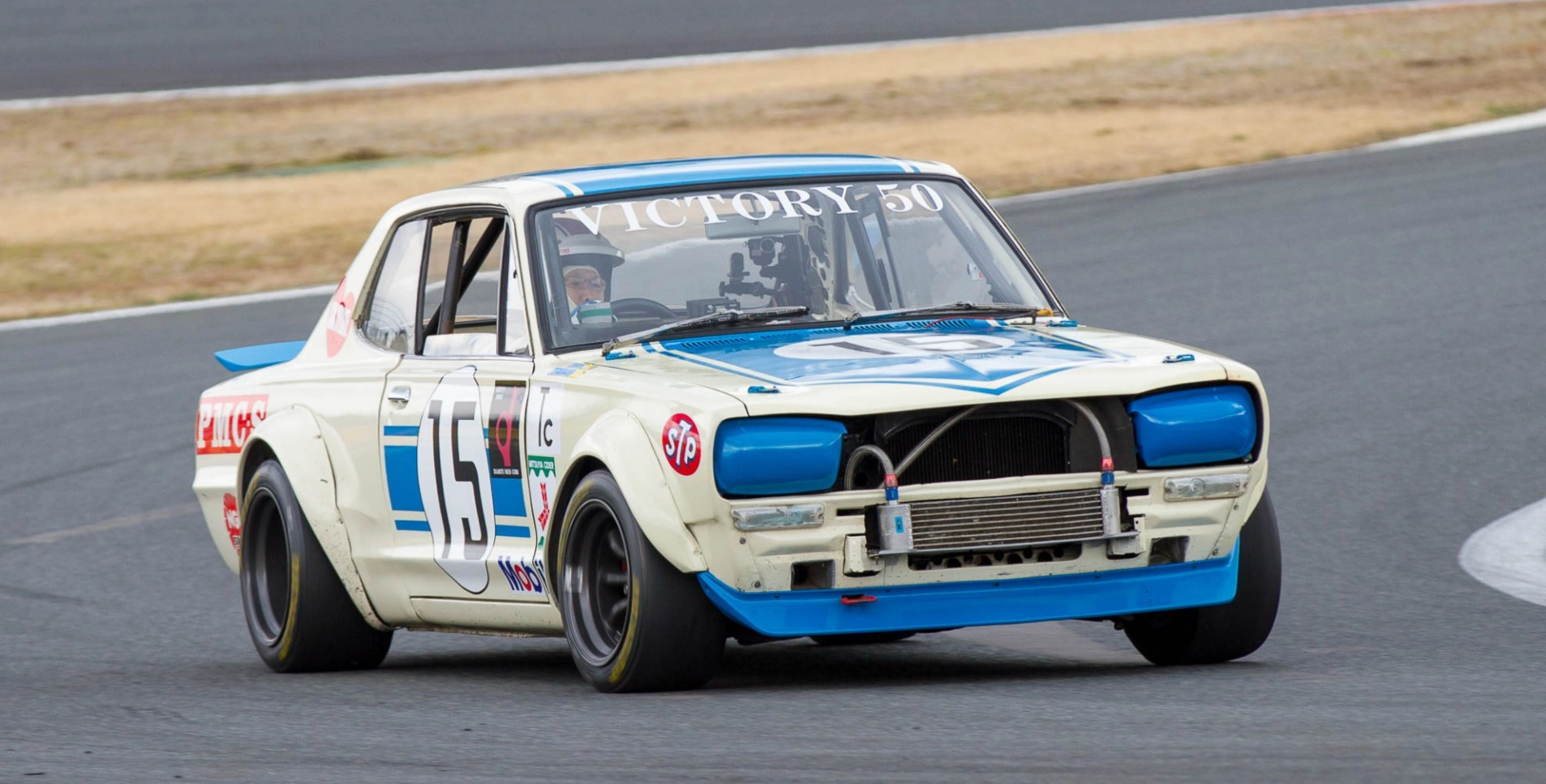
Nissan Skyline GT-R 'Hakosuka'
Specifications
Modifications
- Driven aggressively sliding in corners
- Pure spectacle that defined Japanese style

Honda NSX
Specifications
Modifications
- Complete competition preparation
- Driven alongside his protégé Keiichi Tsuchiya
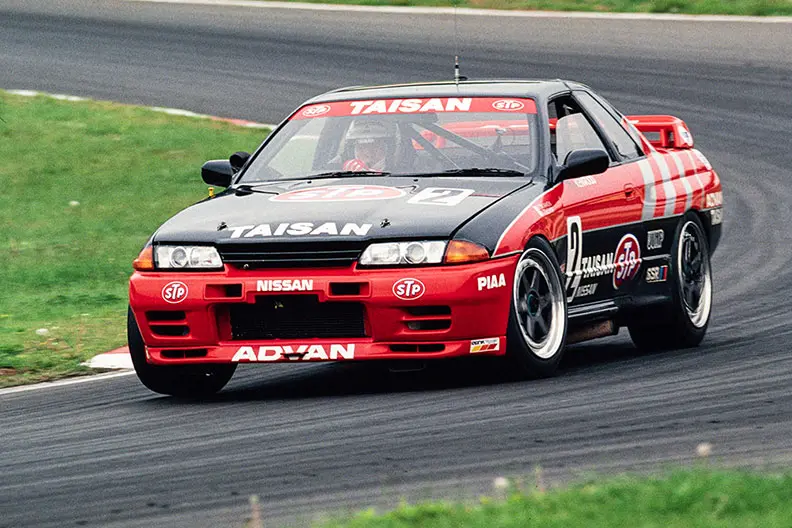
Nissan GT-R Skyline R32
Specifications
Modifications
- Complete JGTC preparation
- Takahashi was 52, Tsuchiya 36 - dream come true
Outstanding Achievements
Relationship with Initial D
Kunimitsu Takahashi es una figura histórica real del automovilismo japonés. En Initial D aparecen los hermanos Takahashi (Ryosuke y Keisuke), personajes ficticios que comparten su apellido, aunque no hay confirmación oficial de Shuichi Shigeno sobre una conexión directa. (Translation in development)
Influence
El creador del drift moderno. Pionero del estilo agresivo de conducción deslizando el coche en curvas. Inspiró directamente a Keiichi Tsuchiya y a toda una generación de pilotos japoneses. Sin él, el touge moderno sería completamente diferente. (Translation in development)
Legacy
Creó el drift moderno pilotando agresivamente porque era más espectacular. Inspiró a Keiichi Tsuchiya y generaciones de pilotos. Ganó Le Mans GT2 1995 con Tsuchiya como compañero. Falleció a los 82 años en 2022 siendo una leyenda eterna del automovilismo japonés. (Translation in development)